Here’s a curated list of epic Earth Day activities that spark curiosity, creativity, and real-world impact—perfect for kids, teens, adults, families, classrooms, and communities 🌍
🌱 For Young Kids (Ages 3–7)
Make it playful and hands-on
- Plant a “Pizza Garden”: Grow tomatoes, basil, peppers—kids love eating what they grow.
- Nature Scavenger Hunt: Find leaves, rocks, insects, clouds, and colors.
- Recycled Art Studio: Turn cardboard boxes, bottle caps, and paper rolls into art.
- Storytime for the Planet: Read Earth-themed books, then draw their favorite part.
- Seed Bomb Making: Roll wildflower seeds with clay and soil—fun and impactful.
🌿 For Kids & Tweens (Ages 8–12)
Turn learning into adventure
- Backyard or Park BioBlitz: Identify as many plants and animals as possible.
- DIY Bird Feeders or Bee Hotels: Support local wildlife.
- Trash-to-Treasure Challenge: Build something useful from recyclables.
- Water Conservation Experiment: Measure water saved by turning off the tap.
- “Earth Hero” Badge Program: Earn badges for eco-friendly actions all week.
🔥 For Teens
Empower them to lead
- Community Clean-Up + Data Tracking: Log trash collected and analyze impact.
- Climate Documentary Night: Follow with a debate or action plan.
- Upcycled Fashion Show: Create outfits from old clothes or materials.
- Eco-Hackathon: Design solutions for local environmental problems.
- Social Media for Good: Create short videos educating others about sustainability.
🌍 For Adults
Inspiring, practical, and meaningful
- Carbon Footprint Reset Day: Audit energy, food, and travel habits.
- Native Tree or Garden Planting: Long-term impact with immediate satisfaction.
- Sustainable Cooking Challenge: Plant-based, local, zero-waste meals.
- Repair Café: Fix instead of replace—electronics, clothes, furniture.
- Eco-Workshop: Learn composting, rainwater harvesting, or solar basics.
👨👩👧👦 For Families
Create shared memories
- Earth Day Picnic (Zero-Waste Edition)
- Family Pledge Wall: Each person commits to one green habit.
- Bike or Walk Everywhere Day
- Home Energy Detective Game: Find drafts, leaks, and energy hogs.
- Movie Night: Watch Wall-E, Our Planet, or A Life on Our Planet.
🏫 For Schools & Communities
Scale the impact
- Green Fair or Eco-Festival
- School Garden or Compost Program Launch
- Clothing & Book Swap
- Local Speaker or Youth Panel
- Adopt-a-Park or Stream Program
🌟 Make It Extra Epic
- Create before-and-after impact boards
- Share results publicly (photos, stats, stories)
- Turn Earth Day into Earth Week—or Earth Year
If you’d like, I can:
- Tailor activities to a specific age group
- Create a full Earth Day event schedule
- Design a classroom lesson plan
- Write Earth Day challenges or worksheets
Just tell me your audience and setting 🌎
- Artistic Earth Day Activities
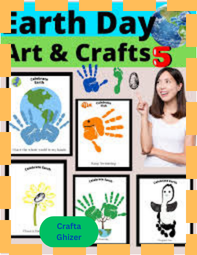
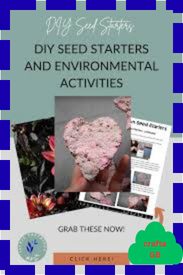
To make exquisite prints, paintings, or sculptures, gather leaves, flowers, twigs, and other natural materials. For instance, press flowers to create a decorative design or leaves to create a textured print on paper. You can arrange twigs to create sculptures or unusual shapes. Preschoolers can engage with nature and foster creativity while learning the importance of the natural world via this interactive Earth Day activity.On the
2. Plan a ‘Plant-Based Meal Day’


Here’s a clear, practical plan you can use to run a Plant-Based Meal Day—whether it’s at home, school, workplace, or a community event 🌱
🌿 Goal
Encourage people to enjoy delicious, satisfying plant-based meals while learning about health, environmental, and ethical benefits—without pressure or judgment.
📅 Sample One-Day Schedule & Menu
🌞 Breakfast
Options
- Overnight oats with almond milk, chia seeds, berries, and nuts
- Whole-grain toast with peanut butter & banana
- Smoothie (spinach, mango, banana, flaxseed, oat milk)
Tip: Provide recipe cards so people can recreate meals easily.
☕ Mid-Morning Snack
- Fresh fruit cups
- Trail mix (nuts, seeds, dried fruit)
- Hummus with carrot and cucumber sticks
🌱 Lunch
Main Options
- Chickpea & vegetable Buddha bowl with tahini dressing
- Lentil curry with brown rice
- Black bean & avocado wraps
Sides
- Mixed green salad with vinaigrette
- Roasted sweet potatoes
🍪 Afternoon Snack
- Energy balls (dates, oats, peanut butter)
- Dairy-free yogurt with granola
🌙 Dinner
Main Options
- Stir-fried tofu with vegetables and noodles
- Vegan chili with beans and vegetables
- Stuffed bell peppers with quinoa and herbs
Optional Add-On
- Whole-grain bread or flatbread
🍓 Dessert
- Fruit salad with mint
- Vegan chocolate brownies
- Chia pudding with coconut milk
📣 Engagement Activities (Optional but Powerful)
- Taste-Test Station: Let people vote on favorite dish
- Mini Info Board:
- Health benefits (fiber, heart health)
- Environmental impact (water & carbon savings)
- Cooking Demo or Video Clip
- Recipe QR Codes
📋 Logistics Checklist
- Label all meals clearly (vegan, gluten-free, nut-free)
- Use compostable or reusable plates & cutlery
- Ask participants about allergies in advance
- Source seasonal, local produce if possible
🎯 Key Message to Share
“Plant-based meals can be simple, affordable, filling, and delicious—this is about exploration, not restriction.”
If you want, I can:
- Adapt this for schools, offices, or large events
- Create a budget version
- Design posters, menus, or social media captions
- Tailor it to a specific culture or cuisine
Just tell me the setting and audience 🌱
3. Host an Earth Day Storytelling Session

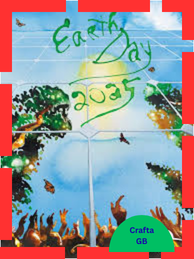
Bring kids together and read books on protecting the environment, including Dr. Seuss’s The Lorax. Talk about the lessons you’ve learnt and how you can use them in your daily life. For early childhood toddlers and students, this is one of the best ways to increase their awareness of the surroundings.
4. Organize a ‘Lights Off’ Hour
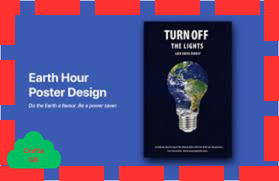

ere’s a clear, practical way to organize a “Lights Off” Hour (for a school, workplace, neighborhood, or community event):
1. Define the Purpose
Clarify why you’re doing it. This shapes everything else.
- 🌍 Environmental awareness (energy conservation, climate action)
- 🤝 Community bonding
- 🕯 Reflection / mindfulness
- 🎓 Educational activity
Write a one-sentence goal, e.g.
“Encourage our community to reduce energy use and reflect on sustainable living.”
2. Choose the Details
- Date & Time: Typically 60 minutes in the evening (e.g., 8:30–9:30 PM)
- Location: Homes, office building, campus, or public space
- Scope: One building, organization-wide, or open to the public
3. Plan the Activities (Optional but Powerful)
Turning lights off is stronger with a shared experience.
- 🕯 Candlelight gathering or quiet hour
- 📖 Storytelling, poetry, or reading
- 🎶 Acoustic music
- 💬 Guided discussion on sustainability
- 🌌 Stargazing (if outdoors)
- 🧘 Meditation or reflection session
Keep activities low-energy and low-noise.
4. Safety First
- Use battery candles where open flames aren’t allowed
- Keep emergency lights and exits functional
- Inform security or building management in advance
- Provide flashlights or phone-light guidance
5. Promote the Event
Start 1–2 weeks ahead.
- Posters or digital flyers
- Email / WhatsApp / Slack reminders
- Social media posts with a hashtag (e.g.
#LightsOffHour) - Short explanation: what, when, why, how
Example message:
“Join us for a Lights Off Hour on Friday from 8:30–9:30 PM. Turn off non-essential lights and take part in a shared moment for the planet.”
6. Run the Hour
- Send a reminder 30 minutes before
- Begin with a brief intro (live or message)
- Encourage participants to:
- Turn off non-essential lights
- Unplug unused devices
- Engage in the planned activity
- Take photos or notes (without bright lighting)
7. Close & Reflect
- Thank participants
- Share impact:
- Estimated energy saved (if possible)
- Number of participants
- Ask for feedback
- Encourage one lasting habit (e.g., switching off lights when leaving rooms)
8. Follow-Up
- Share photos and reflections
- Post a recap message
- Invite people to the next sustainability action
Quick Checklist
✅ Date & goal set
✅ Permissions & safety checked
✅ Promotion done
✅ Activities prepared
✅ Reminder sent
✅ Follow-up shared
If you want, tell me who it’s for (school, office, apartment complex, public event) and I can tailor this into a ready-to-use plan or promotional message.
5, Build A DIY Rainwater Collector
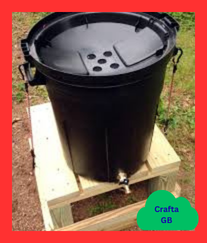
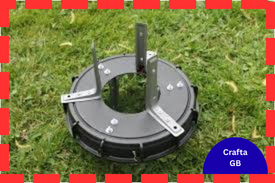
Explain how rainfall can be utilized to water plants while collecting it in a big bucket. This is one of the best STEM activities for Earth Day that teaches children about engineering principles and water conservation.
6. Make Earth Day Ornaments
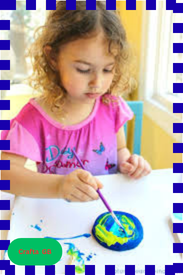
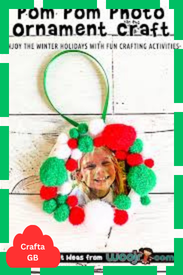
Fun! 🌍✨ Here are a few easy, eco-friendly Earth Day ornament ideas you can make with kids or adults—most use recycled stuff.
1. Recycled Paper Earth Ornaments
Materials: old magazines/newspapers, blue & green markers or paint, scissors, glue, string
How:
- Cut circles from recycled paper.
- Color or paint them like the Earth.
- Glue two circles together with a loop of string inside.
- Let dry and hang!
🌱 Bonus: write “Protect Our Planet” on the back.
2. Nature Medallions
Materials: cardboard, leaves/flowers, clear tape or glue, hole punch, string
How:
- Cut cardboard into circles.
- Arrange small leaves or petals on top.
- Seal with clear tape or glue.
- Punch a hole and add string.
🍃 Each ornament becomes a tiny snapshot of nature.
3. Salt Dough Earth Ornaments
Materials:
- 1 cup flour
- ½ cup salt
- ½ cup water
- Blue & green paint
How:
- Mix dough and roll flat.
- Cut circles and poke a hole at the top.
- Bake at 200°F (95°C) for ~2 hours (or air dry).
- Paint like the Earth and string them up.
🖐️ Great keepsakes!
4. Upcycled Bottle Cap Ornaments
Materials: bottle caps, blue/green paint, glue, string
How:
- Paint bottle caps blue.
- Add green continents.
- Glue string to the back or punch holes if possible.
♻️ Perfect lesson on reuse.
5. “Promise to Earth” Ornaments
Materials: cardboard, markers, string
How:
- Cut Earth shapes.
- Write one promise per ornament (e.g., “Turn off lights”).
- Decorate and hang.
💚 Simple + meaningful.
If you want, tell me:
- Age group
- Time limit
- Indoor vs outdoor
- Classroom or home
…and I’ll tailor it exactly for your situation 😊
7. Write To Local Officials About Environmental Issues

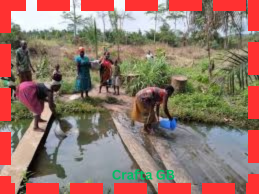
Encourage children and adults to write letters supporting environmentally beneficial laws, such as those that prohibit single-use plastics or increase recycling initiatives. This is an easy yet powerful method to get involved and affect neighborhood change. It’s one of the most effective Earth Day events for adults, giving them the chance to support environmental laws and improve their community.
8. Make And Throw Seed Bombs
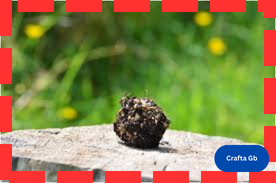
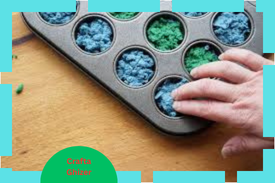
Love this idea 🌱💣 Seed bombs are fun, a little rebellious, and great for helping plants spread. Here’s a simple, tried-and-true way to make and throw seed bombs.
🌼 What You’ll Need
- Seeds
Native wildflowers are best (they actually survive). Clover, poppies, sunflowers, milkweed = solid picks. - Clay
Powdered red clay or plain air-dry clay works. - Compost or potting soil
- Water
- A bowl + your hands (the best tools)
🛠 How to Make Seed Bombs
- Mix dry ingredients
- 2 parts clay
- 1 part compost/soil
- 1 small handful of seeds
- Add water slowly
- Just enough to make it stick together (think cookie dough, not soup).
- Roll into balls
- About the size of a marble or large grape.
- Bigger isn’t better—small bombs spread easier.
- Dry them
- Lay out on cardboard or a tray.
- Let dry for 24–48 hours until hard.
🎯 How (and Where) to Throw Them
- Toss onto bare soil, not thick grass.
- Best spots:
- Empty lots
- Roadside dirt patches
- Sad-looking planters
- Erosion-prone slopes
- Timing matters:
- Early spring or fall = chef’s kiss 👌
- Throw before rain if you can—nature does the watering.
🌎 Pro Tips (Important!)
- Use native seeds for your area (helps pollinators, avoids invasive chaos).
- Don’t throw onto private property, protected land, or nature reserves.
- Less is more—scatter responsibly, eco-hero 🦸♀️
If you want, I can:
- Suggest native seed mixes for your region
- Give a kid-friendly or classroom version
- Or help you make super stealthy micro seed bombs 😏
What vibe are you going for?
9. Green Energy Quiz
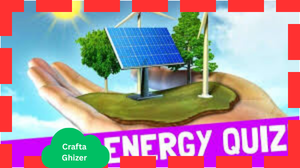
Take a Green Energy Quiz on Earth Day to learn about renewable energy in an entertaining way! Without a question, this test is an excellent way for children, parents, and students to assess their understanding of solar, wind, and other renewable energy sources. Make a trivia game or a basic multiple-choice test with questions like “Which energy source comes from the sun?” either “What is wind power’s primary advantage?” People may learn about sustainable energy and how it contributes to environmental protection through this interactive Earth Day exercise. Furthermore, by making education enjoyable, we may encourage more individuals to use environmentally friendly energy sources and improve the planet.
10. Participate In A Community Clean-Up Event
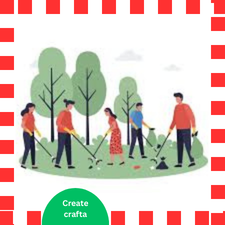
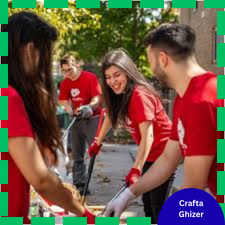
Sounds like a prompt or theme 😊
How do you want to participate—planning, promoting, or writing about a community clean-up event?
Here are a few quick ways I can help right away—pick what you need:
- Short description / paragraph (for a poster, school assignment, or website)
- Action plan (how to organize or join a clean-up step by step)
- Volunteer ideas (roles, supplies, safety tips)
- Motivational slogan or caption (for social media or flyers)
- Reflection write-up (if this is for an essay or report)
If you want, I can also just draft a clean, ready-to-use paragraph like:
“Participating in a community clean-up event helps protect the environment, strengthens neighborhood bonds, and encourages shared responsibility for public spaces…”
Tell me the context (school, work, social group, or personal) and how long it needs to be, and I’ll tailor it perfectly 🌱🧹