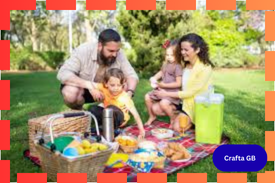

Here are 9+ fun, meaningful, and family-friendly Earth Day activities you can enjoy together—perfect for kids, teens, and adults!
🌍 Earth Day Activities for the Whole Family
1. Nature Scavenger Hunt
Create a list of natural items (smooth rock, feather, heart-shaped leaf). Explore a park or backyard and check off finds together.
2. DIY Upcycled Bird Feeder
Use recycled materials—plastic bottles, milk cartons, or pinecones—to make bird feeders. Hang them outside and enjoy bird-watching as a family.
3. Plant a Family Garden
Choose herbs, flowers, or vegetables. Kids can decorate plant markers or reused pots.
4. Family Litter Cleanup Challenge
Pick an area near home or a local park and collect trash safely (gloves + bags). Track how much you collect and celebrate your impact!
5. Earth-Themed Craft Time
Make:
- Tissue-paper Earths
- Recycled cardboard art
- Bottle-cap mosaics
- Newspaper planet crafts
Great for all ages!
6. Start a Family Recycling Station
Create a clearly labeled recycling setup using upcycled containers. Let kids be “Recycling Captains.”
7. Go on a Screen-Free Nature Walk
Observe wildlife, pick up interesting leaves/rocks, or just enjoy the fresh air.
8. Cook a Plant-Based Dinner Together
Make a simple, eco-friendly meal—veggie wraps, lentil soup, or homemade smoothies.
9. Create a “Family Sustainability Pledge”
Write down weekly eco-friendly goals—turning off lights, shorter showers, reusing materials—and display it on the fridge.
10. Build a Mini Greenhouse
Use old egg cartons or plastic containers to start seedlings. Kids love watching the sprouts grow!
If you’d like, I can also create:
✅ A printable checklist
✅ A kid-friendly version
✅ A social-media post version
Just tell me!
- Invite Pollinators to Your Yard

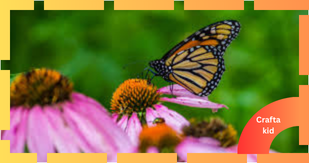
Enfin, n’oubliez pas d’inviter les pollinisateurs dans votre jardin pour le jour de la Terre ! Plantez quelques fleurs dans votre jardin pour attirer les abeilles et assurer leur pollinisation, afin de maintenir le fonctionnement optimal du monde !
2. Inspect Your Carbon Footprint
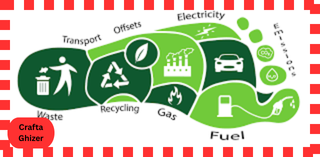

Here’s a clear and family-friendly way to inspect your carbon footprint—whether you want a quick overview or a deeper look at everyday habits.
🌱 How to Inspect Your Carbon Footprint
Understanding your carbon footprint helps you see where your lifestyle has the biggest environmental impact—and where small changes can make a big difference.
1. Identify the Big Categories
Most personal carbon footprints come from four main areas:
🚗 Transportation
- Car mileage & fuel type
- Flight frequency
- Public transport use
🏡 Home Energy
- Electricity + gas usage
- Heating & cooling habits
- Appliance efficiency
🍽️ Food Choices
- Meat & dairy frequency
- Food waste
- Local vs. imported foods
🛍️ Consumption & Waste
- Shopping habits
- Single-use products
- Recycling & composting
2. Track Your Daily Habits (Simple Checklist)
Ask yourself:
- How often do I drive vs. walk or bike?
- How many lights are left on at home?
- Do I turn off devices or leave them plugged in?
- How often do I buy new clothes or gadgets?
- How much food do we throw away weekly?
A week of observation gives a surprisingly clear picture.
3. Gather Basic Numbers
You can collect small pieces of info:
- Monthly electricity/gas bill
- Average kilometers driven per week
- Number of flights per year
- How often you eat meat (daily, weekly, rarely)
These help you calculate a more accurate footprint.
4. Use a Carbon Calculator (Optional but Helpful)
Here are trusted calculator types you can search for online:
- Household carbon footprint calculators
- Transportation footprint calculators
- Food and diet impact calculators
They give you a breakdown and show which category emits the most CO₂.
5. Compare & Reflect
Once you see your biggest contributors, look for “easy wins,” like:
- Reducing short car trips
- Switching to LED bulbs
- Eating one plant-based meal per week
- Fixing small air leaks around windows
- Using reusable bags and bottles
6. Make a Mini Action Plan
Choose 3 small changes to try for the next two weeks.
Examples:
- “We will unplug chargers when not in use.”
- “We will eat meat-free on Mondays.”
- “We will walk for trips under 1 km.”
If you want, I can also create:
✨ A printable carbon footprint checklist
✨ A simplified version for kids
✨ A family carbon reduction plan
Just tell me!
3. Enjoy the Sunset


Lorsque la journée de la Terre touche à sa fin, n’oubliez pas de sortir et d’apprécier le coucher de soleil. Cette activité apaisante vous offre une nouvelle occasion de profiter de l’air pur tout en admirant la splendeur de notre monde et les magnifiques teintes d’un coucher de soleil.
4. Decorate a Canvas Bag


Here are fun, easy, and Earth-friendly ways to decorate a canvas bag—perfect for Earth Day, crafts with kids, or just personalizing your tote!
🎨 Ways to Decorate a Canvas Bag
1. Fabric Paint Designs
Use fabric paints or markers to draw:
- Earth Day symbols (planet, trees, animals)
- Inspirational quotes (“Love Your Planet”)
- Geometric patterns or rainbow swirls
Tip: Place cardboard inside the bag to prevent bleed-through.
2. Stencil Art
Use stencils for clean, bold designs like:
- Leaves and flowers
- Stars, hearts, or patterns
- Your initials or name
Sponge dabbing or spray fabric paint works great.
3. Nature Prints
Dip leaves, flowers, or even veggie slices (like okra or potatoes) into paint and stamp onto the bag for a natural vibe.
4. Iron-On Patches or Vinyl
Add:
- Eco-themed patches
- Your favorite characters
- Fun shapes or animals
Heat-press vinyl (HTV) also works beautifully.
5. Embroidery or Stitching
If you like needlework, try:
- Simple line art (planet outline, sun, waves)
- Floral borders
- Custom names or initials
6. Tie-Dye or Ombre Dye
Use natural dyes (turmeric, beetroot) or fabric dye for:
- Spiral tie-dye
- Dip-dye ombre effect
- Half-and-half color blocks
7. Add Recycled Decorations
Eco-friendly add-ons:
- Buttons from old clothes
- Fabric scraps (cut into shapes and stitched on)
- Upcycled denim patches
8. Sharpie + Alcohol Art
Draw designs or patterns with Sharpies, then lightly spray rubbing alcohol to create a watercolor effect.
9. Earth Day Theme Ideas
- Blue-green planet in the center
- “Reduce, Reuse, Recycle” lettering
- Handprints forming a tree
- Kids’ doodles of nature
If you want, I can create:
👜 A step-by-step tutorial
📄 A supply list
🖼️ A design sketch you can follow
Just tell me!
5. Try an Earth Day Diet


Coincé dans une routine de dîners ? Pour célébrer le jour de la Terre, changez vos repas en adoptant une alimentation respectueuse de l’environnement. Essayez de préparer un dîner végétalien avec des ingrédients provenant du marché fermier pour diminuer le gaspillage alimentaire et la consommation de viande.
6. Donate to a Thrift Store


Donating to a thrift store is a simple, meaningful Earth Day–friendly activity that helps others and reduces waste. Here’s how to do it effectively:
♻️ How to Donate to a Thrift Store
1. Choose What You Want to Donate
Look for gently used items you no longer need, such as:
- Clothing
- Shoes & accessories
- Books
- Toys & games
- Household items (decor, kitchenware, linens)
- Small electronics (if working)
Tip: If you wouldn’t give it to a friend, it’s probably not donation-ready.
2. Clean & Prepare Items
Make your donations easy to resell:
- Wash clothing
- Wipe down household items
- Check that toys and electronics work
- Pair shoes and secure with a rubber band
- Fold neatly and pack in bags or boxes
3. Sort Items by Category
This helps thrift stores process donations faster.
Group by:
- Clothes
- Books
- Kids’ items
- Household goods
4. Find a Local Thrift Store
Common types of thrift stores include:
- Nonprofit organizations
- Community centers
- Charity-run shops
- Secondhand book or clothing stores
Most thrift stores accept walk-in donations during business hours.
5. Drop Off Your Donations
Go to the donation door or counter (usually marked separately from the entrance).
Staff may help you unload large items.
Ask for a receipt if you need one for personal records or charity deductions (varies by location).
6. Feel Good About Your Impact
By donating, you are:
- Reducing waste
- Helping families find affordable goods
- Supporting local charities
- Giving your items a second life
Want a printable donation checklist or sign for organizing your items? I can make one!
7. Shop at a Local Produce Stand
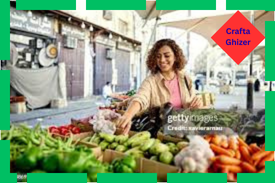
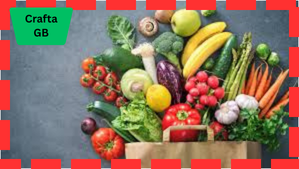
Food production is one of the leading causes of greenhouse gas emissions from factories and transportation. Pour réduire l’empreinte carbone générée par cette actions, envisagez d’acheter localement lors de la journée de la Terre, que ce soit dans un étal de fruits et légumes ou un marché fermier. Non seulement vous aiderez les entreprises locales et réduirez les émissions de gaz, mais vous remplirez également votre assiette avec des aliments plus frais et plus sains.
8. Start a Backyard Garden
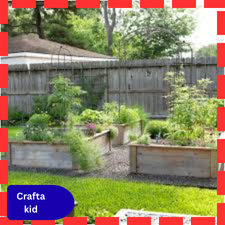
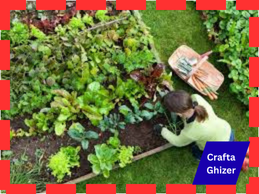
Starting a backyard garden is a fun, rewarding, and eco-friendly activity for the whole family. Here’s a simple, beginner-friendly guide to get you growing quickly!
🌱 How to Start a Backyard Garden
1. Choose Your Garden Type
Pick the style that fits your space:
- In-ground garden – best for larger yards
- Raised beds – great for beginners; fewer weeds; easy to maintain
- Container garden – perfect for patios, balconies, or small yards
2. Find the Best Spot
Look for a place with:
- 6–8 hours of sunlight
- Good drainage (no puddles after rain)
- Easy access to water
Sun-loving veggies like tomatoes and peppers need lots of light. Herbs and leafy greens can handle a bit more shade.
3. Decide What You Want to Grow
Choose beginner-friendly plants:
Easy Vegetables
- Tomatoes
- Cucumbers
- Peppers
- Zucchini
- Lettuce & spinach
- Green beans
Easy Herbs
- Basil
- Mint
- Cilantro
- Rosemary
- Parsley
Family favorite option: Let each person choose one plant to “take care of.”
4. Prepare the Soil
Healthy soil = healthy plants.
- Remove weeds or grass from the planting area
- Mix in compost or organic fertilizer
- Loosen soil at least 6–8 inches deep
For containers: use potting mix, not yard soil.
5. Plant Your Seeds or Seedlings
Follow spacing instructions on seed packets.
Tip: Seedlings (small starter plants) are easier for beginners—especially with tomatoes and peppers.
6. Water the Right Way
- Water deeply but not too often
- Morning watering is ideal
- Aim for moist soil, not muddy
Use a watering can or hose with a gentle spray.
7. Add Mulch
Spread wood chips, straw, or dried leaves around plants to:
- Keep soil moist
- Reduce weeds
- Protect roots
8. Keep an Eye Out for Pests
Use eco-friendly methods, such as:
- Hand-picking bugs
- Neem oil spray
- Planting marigolds to repel pests
- Using mesh or netting to protect tender plants
9. Harvest & Enjoy!
Pick vegetables regularly to encourage new growth.
Kids love watching their garden “come alive.”
🌼 Want Help Planning?
I can create:
- A custom garden plan for your backyard size
- A beginner shopping list
- A month-by-month planting schedule
Just tell me what you’d like!
9. Make a Sustainable Bird Feeder
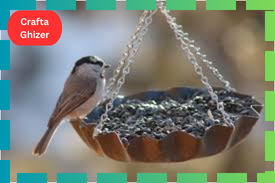
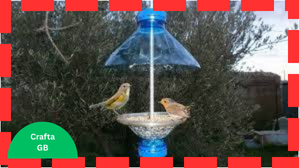
Une autre activité que vous pouvez réaliser avec votre enfant le jour de la Terre est de fabriquer un mangeoire à oiseaux écologique fait maison. Il suffit d’un carton de lait vide et de quelques autres fournitures pour confectionner le mangeoire fait maison. Non seulement cela stimulera l’intérêt de votre enfant pour l’artisanat, mais il adorera également voir les oiseaux venir à leur création pour picorer les graines.